
Where science meets the deepest question we can ask.
The Conscious Field explains the leading theories of consciousness, the research on altered states, meditation and near-death experiences, with every claim graded by its level of evidence.
Explore the field
One method throughout: present each idea fairly, cite the primary sources, say clearly what is known and what is not.
 01
Theories of Consciousness
The hard problem, Global Workspace, IIT, higher-order theories, mapped side by side with their evidence.
 02
Quantum Approaches
Orch OR, microtubules and quantum biology: what was proposed, what was tested, what remains open.
 03
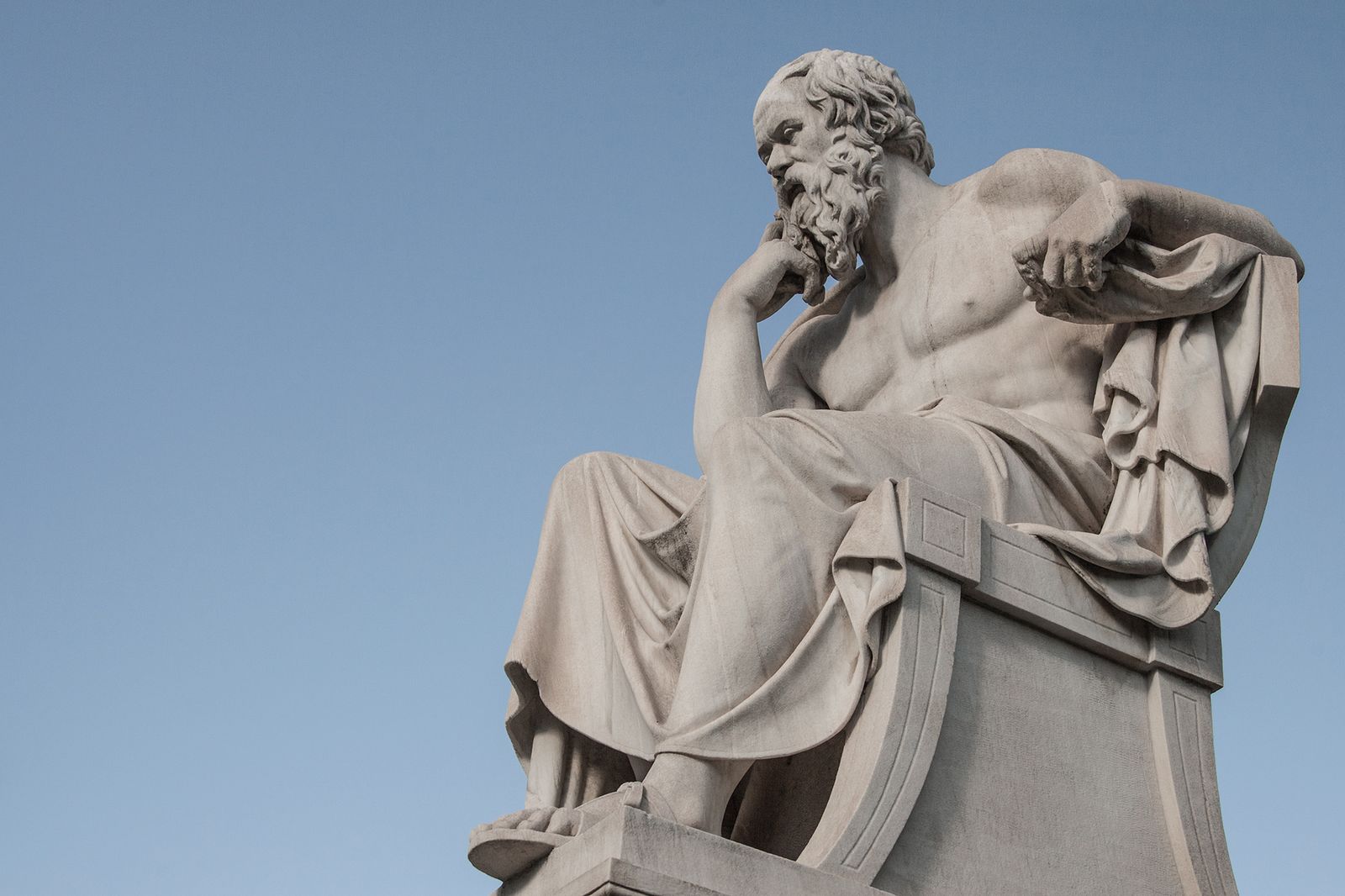
Panpsychism & Philosophy of Mind
Is mind fundamental? Panpsychism, idealism and illusionism, explained without jargon.
 04
Altered States
Dreams, lucid dreaming, anaesthesia and psychedelic research as windows on the conscious brain.
 05
Meditation & the Brain
What neuroscience measures in meditators. Science, not practice.
 06
Near-Death & Beyond
NDE research, the AWARE studies and the hard questions about mind and death, evidence-graded.

Orch OR, explained: the quantum theory of consciousness and where it stands
A plain-language guide to the Penrose–Hameroff proposal: what it claims about microtubules, which experiments are relevant, and the main objections from physics and neuroscience.
Read the guideNew in the field
Every article carries an Evidence Meter badge.
 Debated
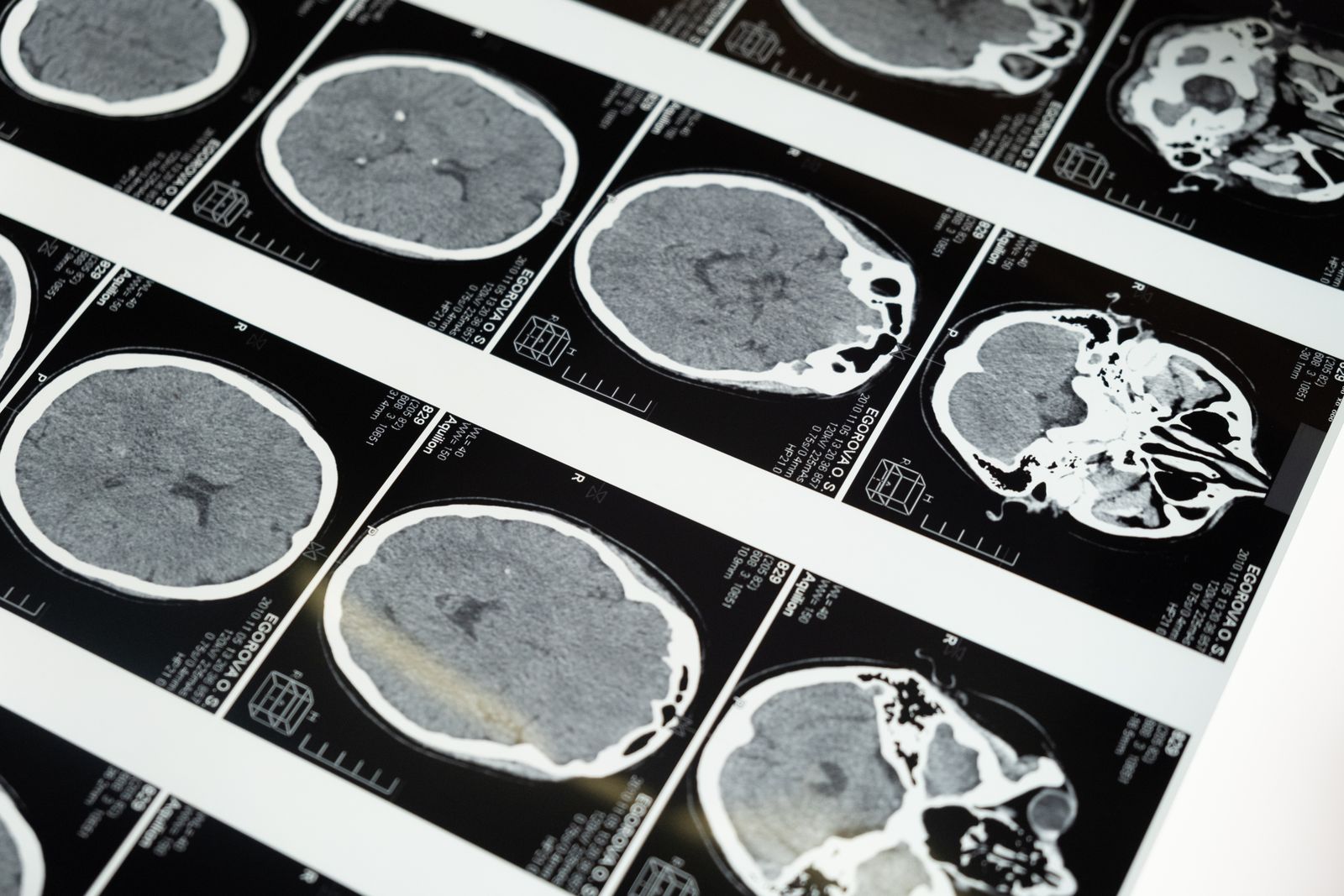
IIT vs Global Workspace: what the adversarial test found
Rival theories agreed in advance on experiments that could count against them.
 EXPLAINER
The hard problem of consciousness, explained
Why does it feel like anything to be you?
 Established
The science of lucid dreaming
From eye signals to two-way conversations with dreamers.
The Evidence Meter
Consciousness research mixes solid findings, live debates and bold speculation. We label each so you never have to guess.
Broad agreement, replicated findings.
Real evidence, contested interpretation.
Coherent ideas without direct evidence yet.
Where to read next
A short, opinionated list of the books that shaped the field, from Seth and Dehaene to Chalmers and Penrose.
Browse the Library