Home / Near-death & beyond
Near-Death Experiences: What Science Knows
Tunnels, light, a sense of peace, seeing one’s own body from above: near-death experiences are reported across cultures. Researchers now study them prospectively in hospitals. Here is what they have found.
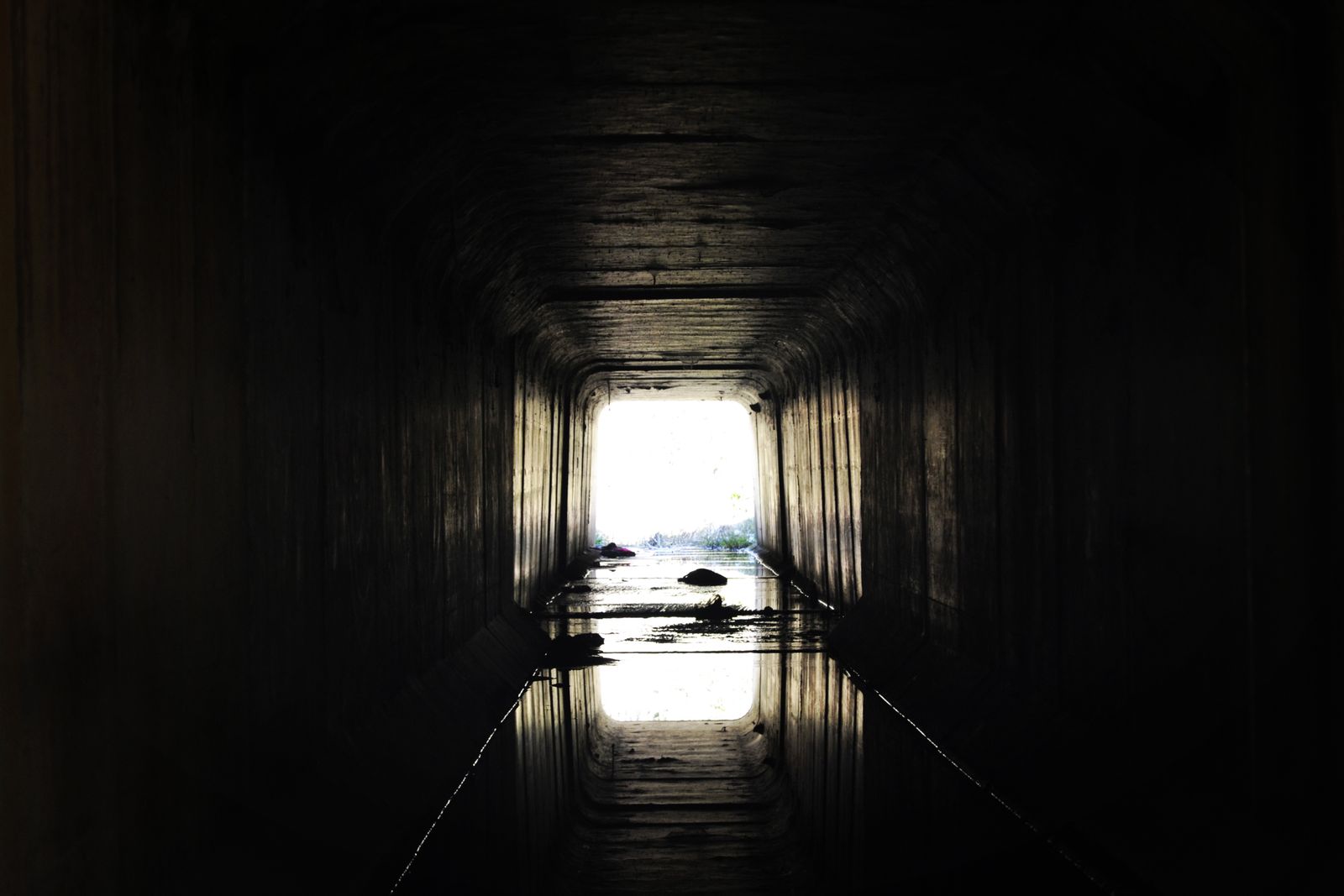
- NDEs are real experiences, reported by a minority of people who survive cardiac arrest.
- Prospective studies have tried to test out-of-body perception with hidden targets; results so far are inconclusive.
- Whether NDEs show that the mind can function independently of the brain remains an open, contested question.
What counts as a near-death experience
The psychiatrist Bruce Greyson developed the most widely used tool, the 16-item Greyson NDE Scale (1983), which scores features such as a sense of peace, a feeling of leaving the body, encountering a light or presences, a life review and a boundary beyond which one cannot return. Experiences scoring above a threshold are classified as NDEs.
How common are they?
Established A prospective Dutch study led by Pim van Lommel, published in The Lancet in 2001, followed 344 cardiac arrest survivors and found that about 18% reported an NDE, of whom a smaller share reported a deep experience. Other prospective studies report rates in a broadly similar range, roughly one in ten to one in five survivors.
The AWARE studies
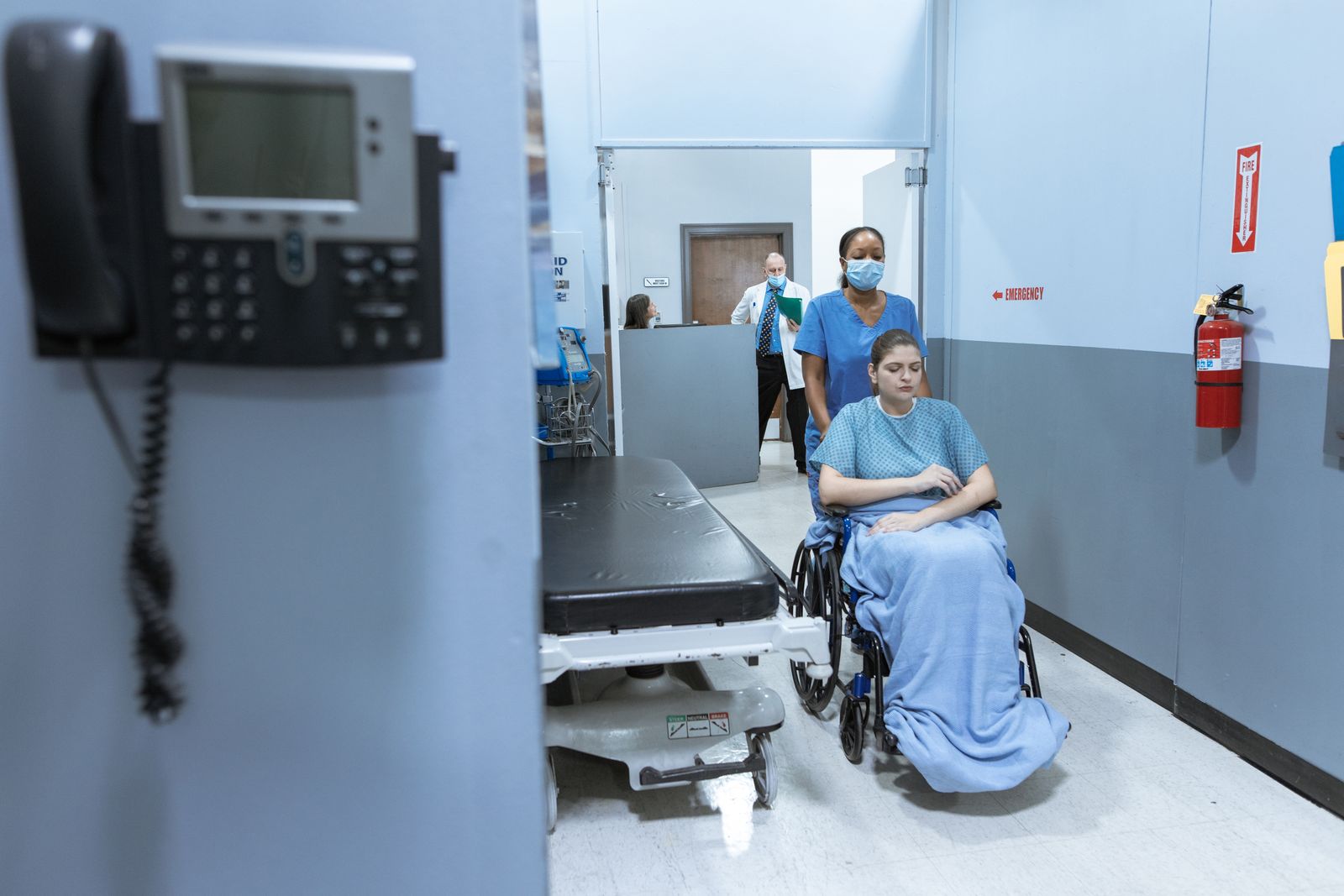
Debated The AWARE project, led by Sam Parnia, placed images on high shelves in resuscitation areas, visible only from above, to test claims of out-of-body perception. The first study, published in 2014, interviewed survivors from several thousand cardiac arrests; very few reported out-of-body experiences, none in a room with a target, and one patient gave a verifiable account of auditory events during resuscitation. A follow-up study published in 2023 also recorded brain activity during resuscitation and reported, in some patients, signs of brain activity that could be compatible with conscious processing. Neither study confirmed perception of hidden targets.
Brain-based explanations
Debated Researchers have proposed that NDE features arise from known brain processes: oxygen deprivation and carbon dioxide changes, release of neurotransmitters, REM-sleep intrusion into wakefulness, or activity at the temporo-parietal junction, which when stimulated can produce out-of-body sensations. In animal studies (Borjigin et al., 2013) and in a small number of dying patients (Xu et al., 2023), researchers recorded surges of coordinated gamma activity shortly after oxygen loss. Each mechanism explains some features; none yet explains the whole pattern.
Open questions
- How can vivid, structured experiences occur when brain activity is severely compromised?
- Are memories formed during the event, or reconstructed afterwards?
- Why do NDEs often produce lasting changes in values and fear of death?
Evidence Meter
| Claim | Grade |
|---|---|
| A minority of cardiac arrest survivors report NDEs | Established |
| NDEs are fully explained by known brain mechanisms | Debated |
| Out-of-body perception of hidden targets has been demonstrated | Speculative (not demonstrated) |
| NDEs prove consciousness survives death | Speculative |
If you are grieving or struggling with thoughts about death, please talk to someone you trust or a health professional. This page is educational and not medical or psychological advice.
Sources
- Greyson, B. (1983). The near-death experience scale. Journal of Nervous and Mental Disease, 171(6).
- van Lommel, P. et al. (2001). Near-death experience in survivors of cardiac arrest. The Lancet, 358.
- Parnia, S. et al. (2014). AWARE—AWAreness during REsuscitation. Resuscitation, 85(12).
- Parnia, S. et al. (2023). AWAreness during REsuscitation II. Resuscitation, 191.
- Borjigin, J. et al. (2013). Surge of neurophysiological coherence and connectivity in the dying brain. PNAS, 110(35).
- Xu, G. et al. (2023). Surge of neurophysiological coupling and connectivity of gamma oscillations in the dying human brain. PNAS, 120(19).